
Our digital digest
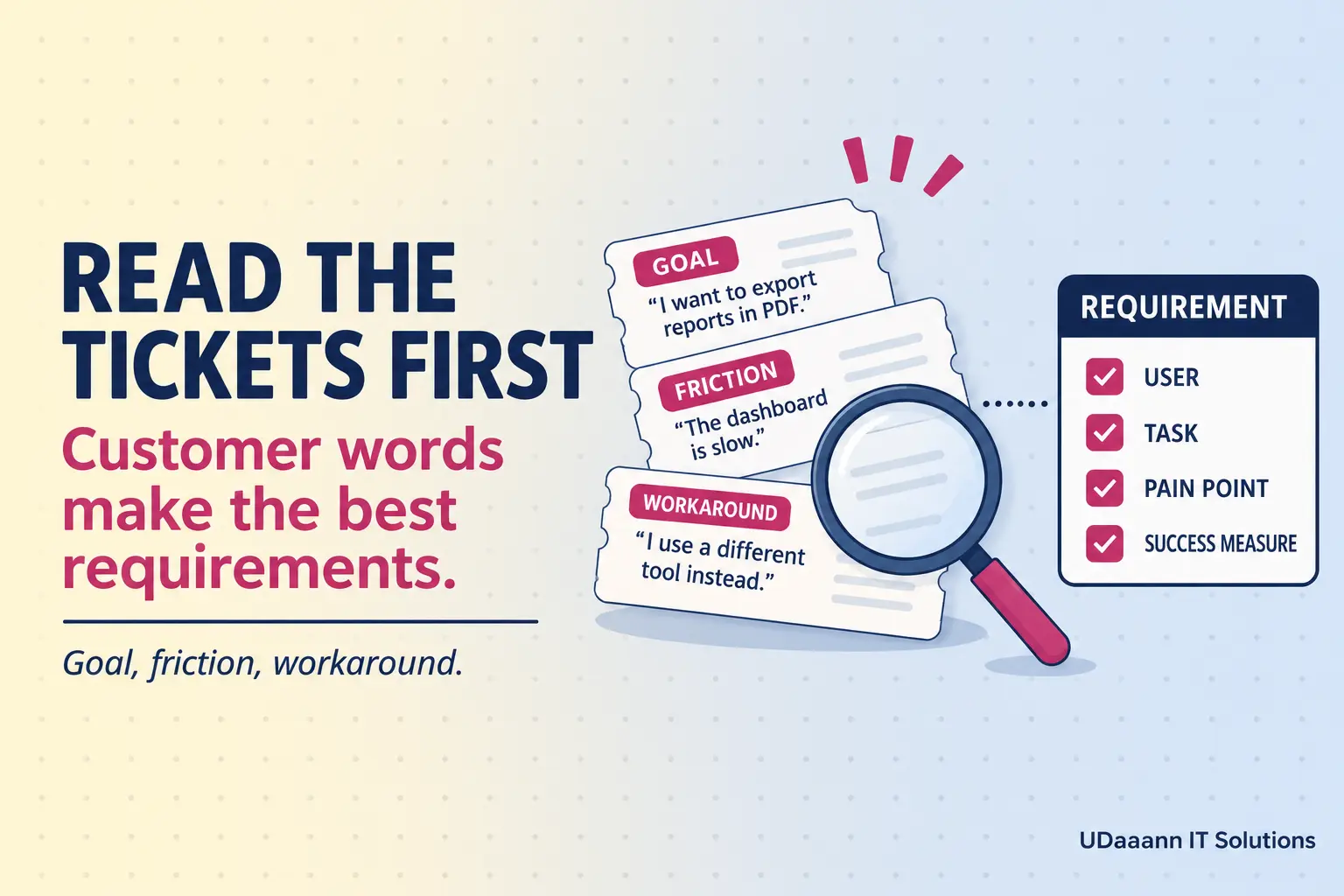
Customer Voice First: How Support Tickets Shape Better Software
Before drafting requirements, we read what customers actually complain about, because their own words reveal the problems a roadmap often misses.
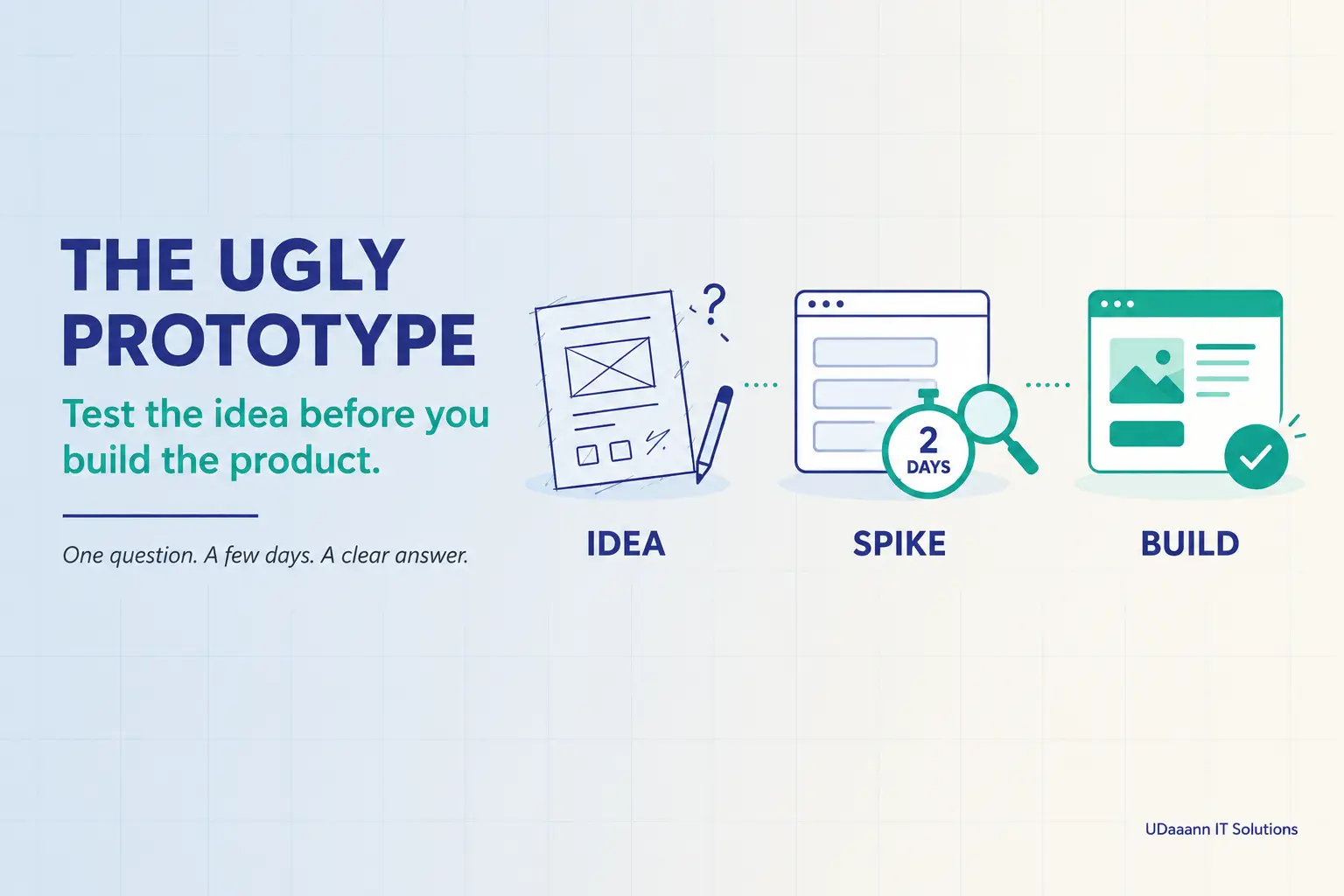

Before committing to a costly build, smart software teams spend a few days proving the idea is worth building, because a rough prototype reveals more than a polished plan.
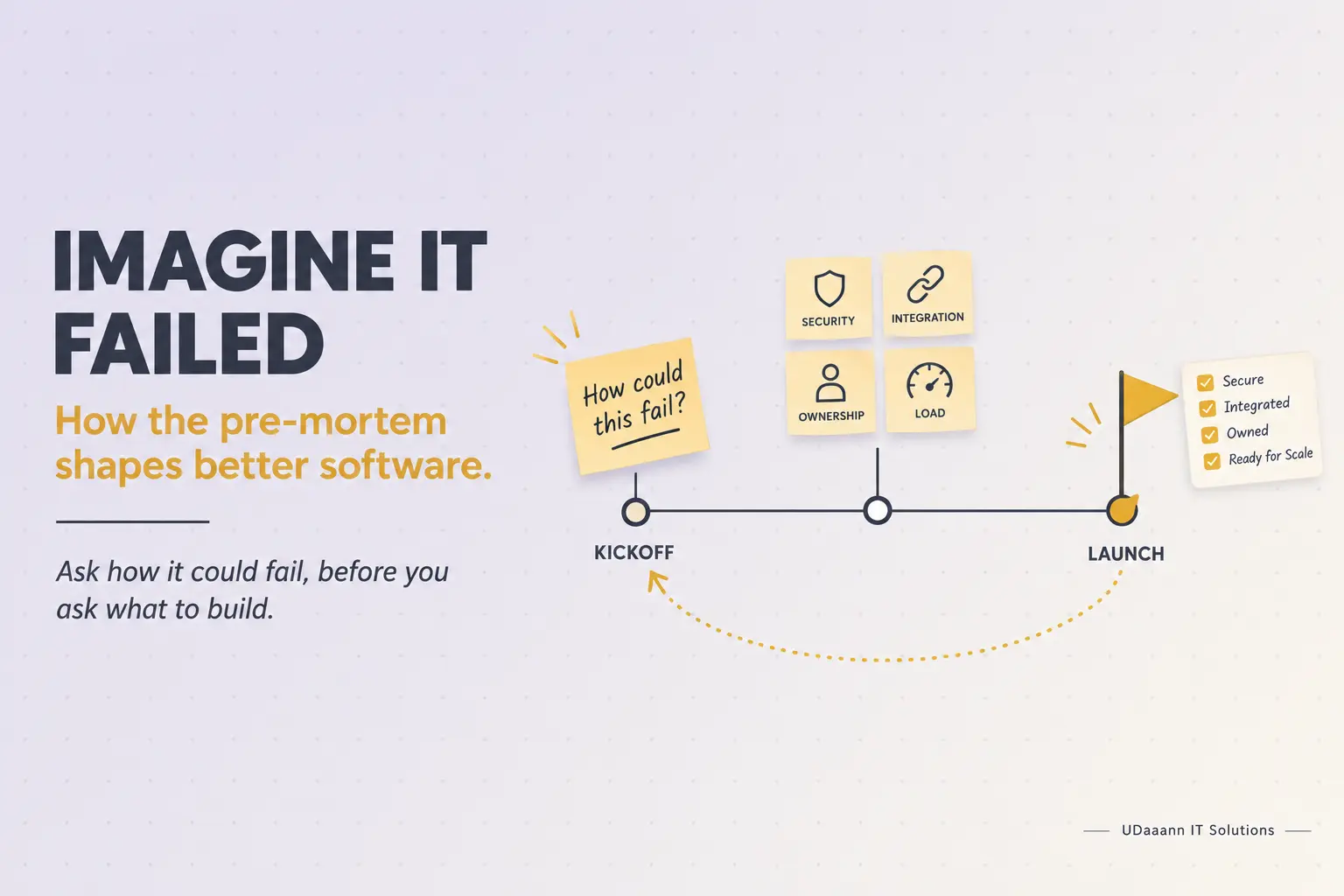
Before we ask what to build, we imagine the project has already failed, because the reasons it would fail are the most useful thing we can learn on day one.
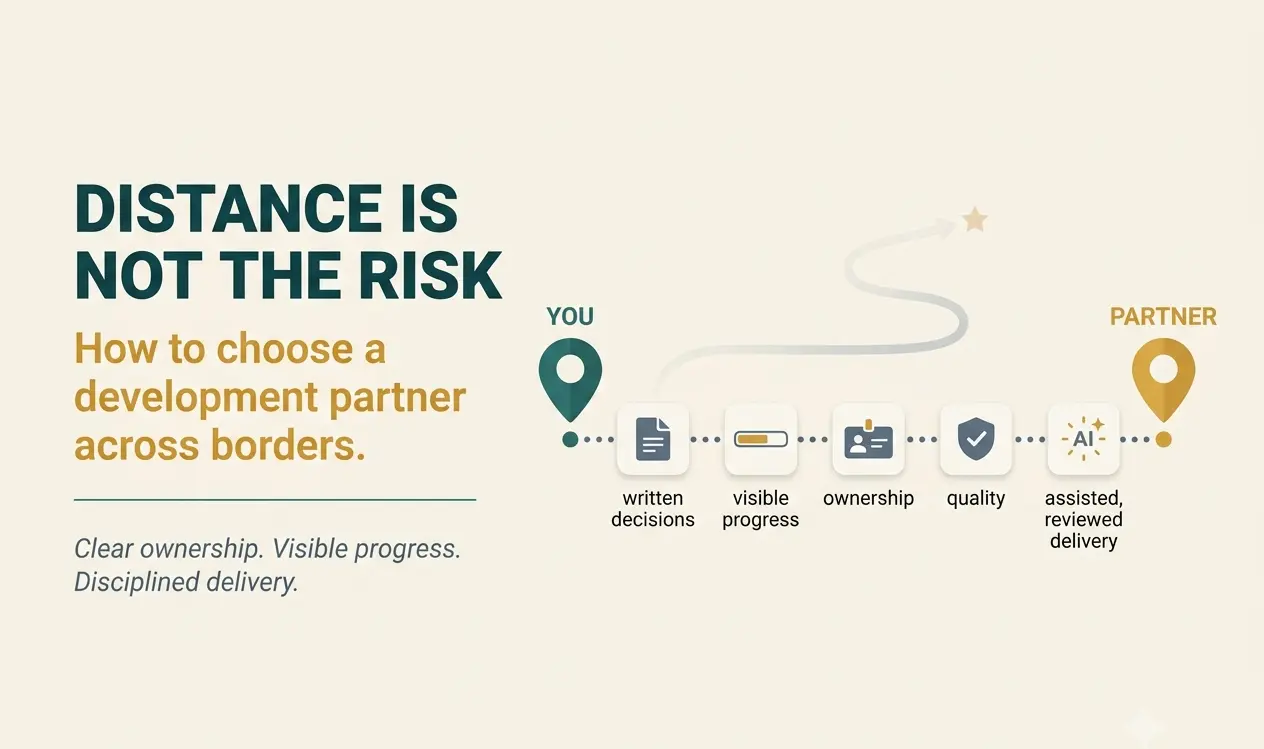
Geography rarely decides whether an overseas software project succeeds. Clear ownership, visible progress, and disciplined delivery do.
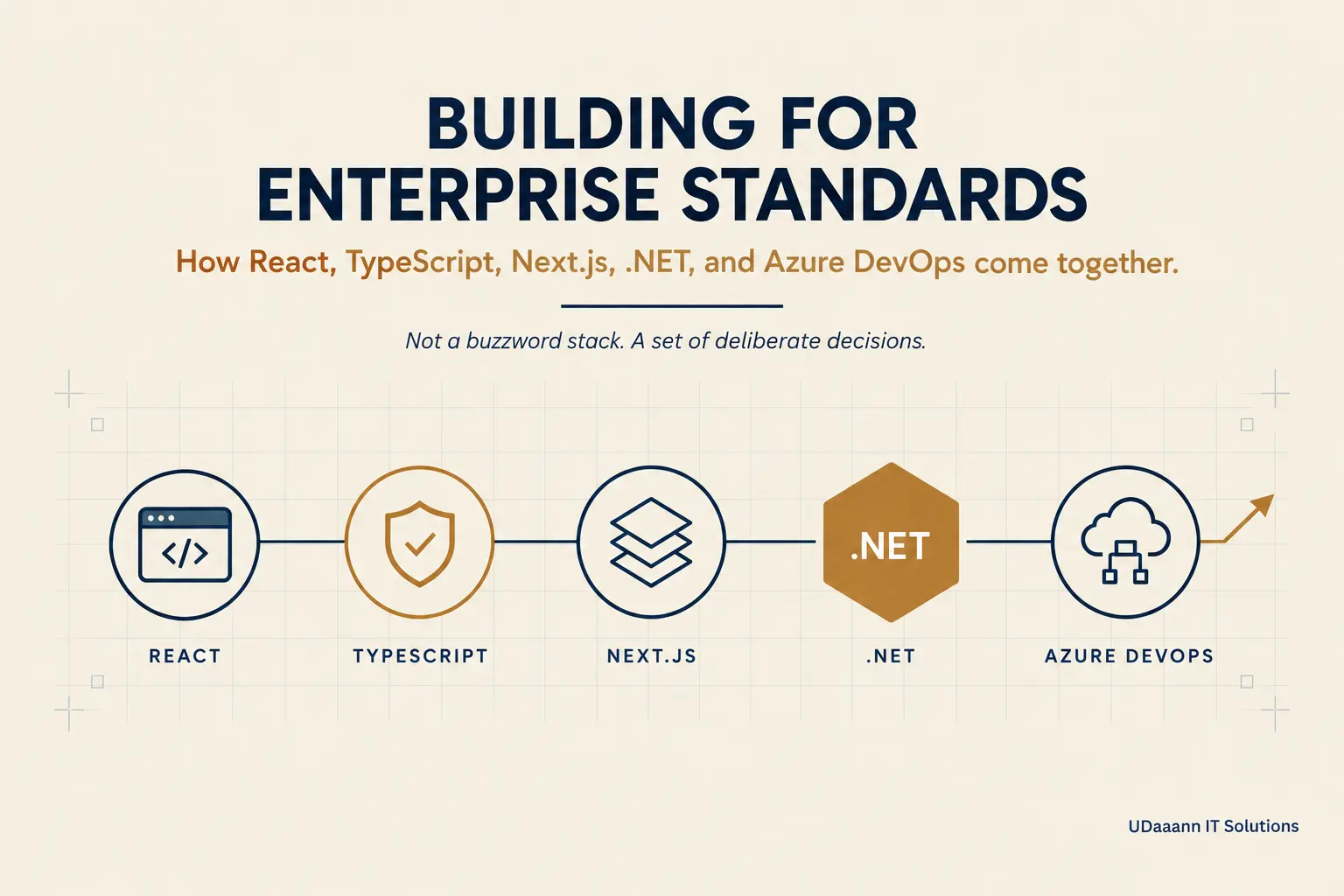
Enterprise-grade software is defined by how well it holds up under real growth, regulatory scrutiny, and operational pressure, and this stack is built with exactly that in mind.
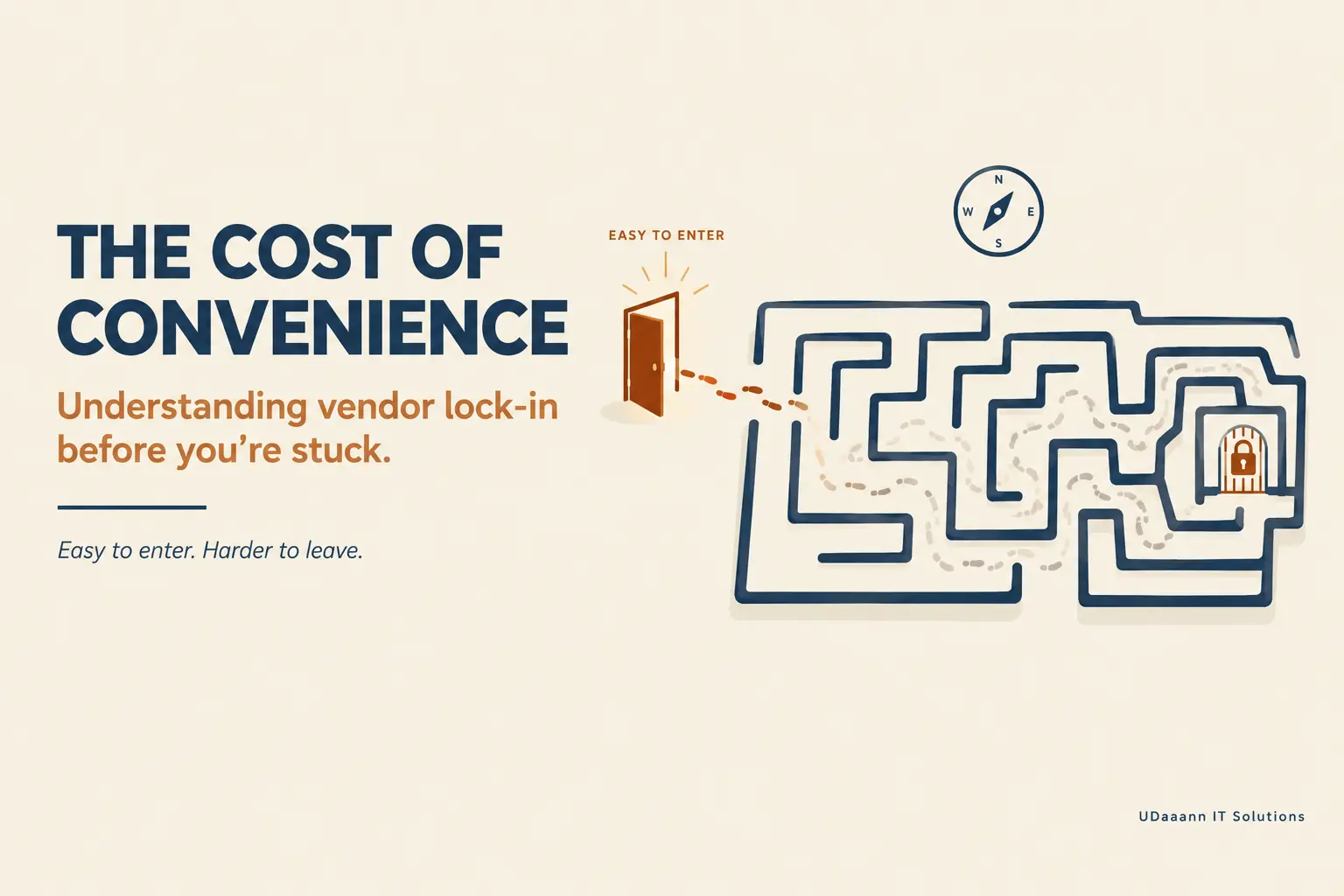
Vendor lock-in rarely happens through one bad decision, it builds through a series of individually reasonable ones. Here's how to evaluate the trade-off before you're stuck.
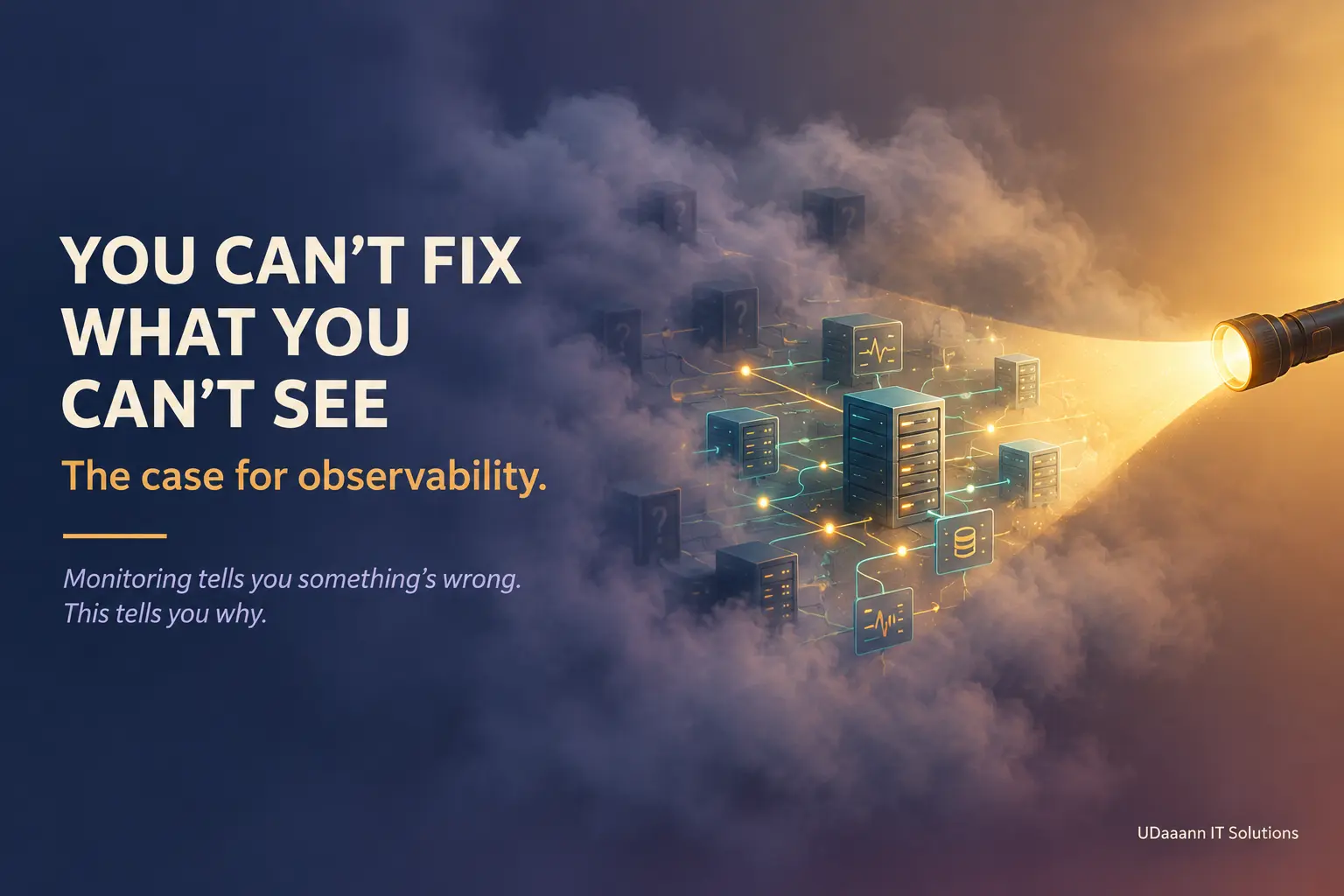
Monitoring tells you something's wrong. Observability tells you why, without anyone having predicted that specific failure in advance. Here's why the gap between them matters more every year.
We asked a typical business application to reflect on its own creation, scope creep, feature bloat, and the difference between looking finished and actually being solid. It had a lot to say.